
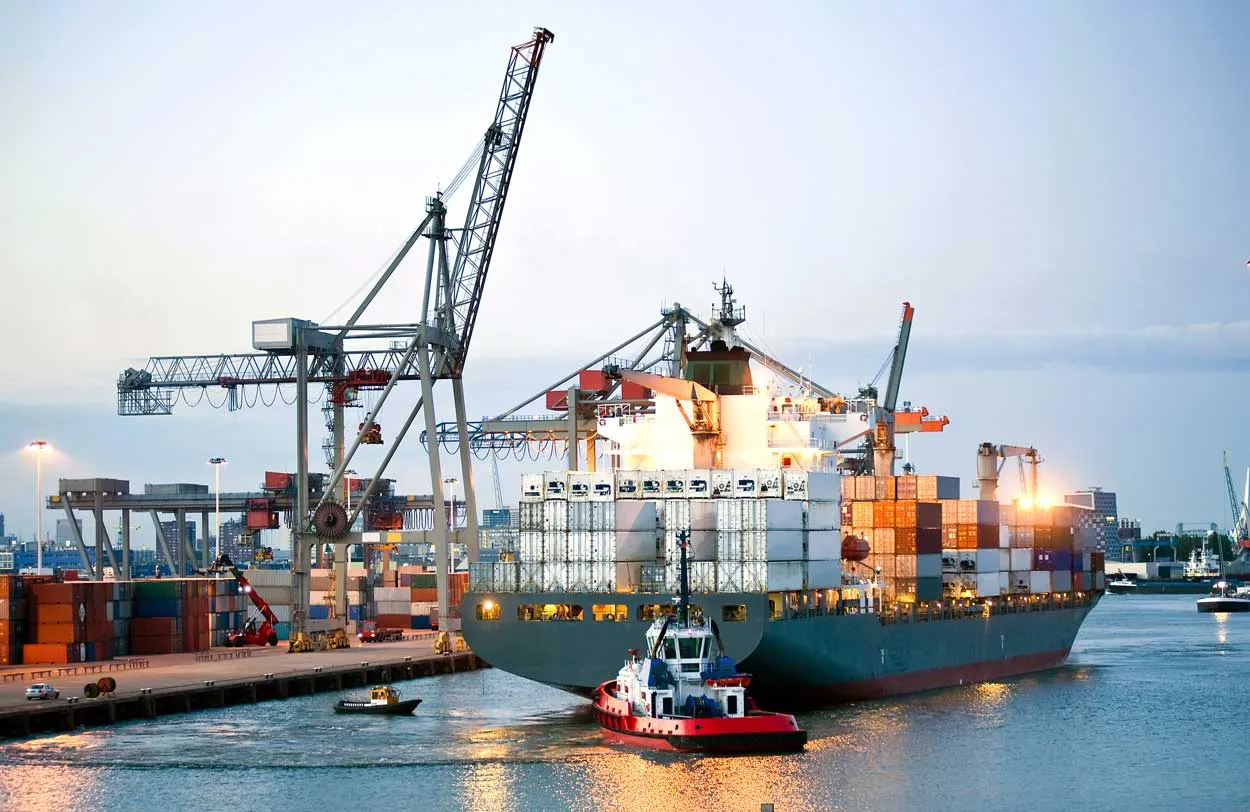
Bunkering
Marine Fuels: Safe, Efficient, and Environmentally Responsible Energy for the Seas
The maritime industry powers nearly 90% of global trade, making it one of the world’s most critical economic sectors.
At the heart of this massive system lies marine fuel, the essential energy source that drives ships across oceans.
Types of Marine Fuels
Marine fuels vary depending on vessel size, engine type, and operating environment. The main categories include:
HFO (Heavy Fuel Oil) – A viscous and economical fuel used in large cargo ships and tankers.
MDO (Marine Diesel Oil) – A medium-viscosity fuel commonly used by medium-sized vessels.
MGO (Marine Gas Oil) – A low-sulfur, cleaner fuel ideal for yachts, ferries, and coastal vessels.
LNG (Liquefied Natural Gas) – Considered the fuel of the future thanks to its low emissions and high efficiency.
Environmental Regulations & IMO 2020
The International Maritime Organization (IMO) introduced the IMO 2020 regulation, limiting sulfur content in marine fuels to 0.5%.
This regulation significantly reduced air pollution and greenhouse gas emissions, marking a major milestone toward sustainable maritime operations.
Fuel Quality & Engine Performance
Fuel quality directly affects engine reliability and maintenance costs. Low-grade fuel can cause soot buildup, corrosion, and operational failures.
That’s why suppliers must comply with ISO 8217:2017, the international standard governing marine fuel specifications such as viscosity, density, sulfur, water, and particulate content.
Safety in Bunkering Operations
Fuel transfer (bunkering) is one of the most critical and risk-sensitive marine operations.
During bunkering, strict safety measures—such as hose inspections, sealing controls, and spill prevention protocols—ensure environmental protection and operational precision.
The Future of Marine Fuels
As the global shipping industry pursues carbon-neutral targets, the transition toward alternative marine fuels is accelerating. Emerging options include:
LNG (Liquefied Natural Gas)
Methanol
Biofuels
Ammonia
These next-generation fuels aim to reduce carbon footprints and enable a cleaner, more sustainable maritime future.
Marine fuels are not just an energy source—they are the lifeblood of the global economy.
With evolving technologies and eco-friendly innovations, the maritime sector is steering confidently toward a cleaner, safer, and more sustainable horizon.